
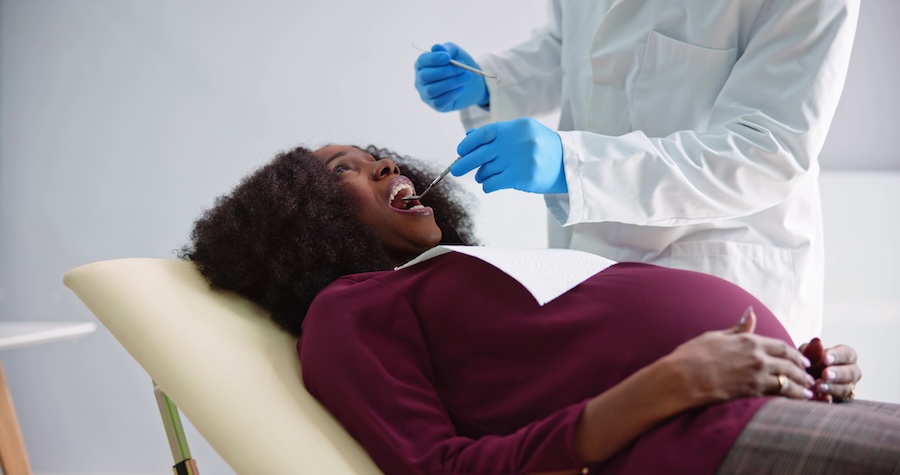
Tooth pain is frustrating at any time, but pregnancy can add another layer of questions. You may be wondering whether you should wait until after delivery, whether an X-ray is okay, or whether dental treatment could affect the pregnancy. Meanwhile, the tooth is still hurting, and putting off the problem can allow a cavity, crack, or infection to become harder to treat.
At Hooks Family Dentistry in College Station, Dr. Ryan Hooks can examine the tooth and find out what is causing the pain. Dental care does not automatically have to stop because you are pregnant, and treatment for problems such as decay, infection, or a damaged tooth can often be provided safely during pregnancy. Necessary preventive, diagnostic, restorative, and emergency dental care can generally be provided throughout pregnancy.
So, if a tooth is hurting, call us and let us know that you are pregnant when you schedule. We can take your pregnancy into account from the beginning, talk with your obstetric provider when needed, and focus on getting the source of the pain under control rather than asking you to live with it for months.
Dealing With Tooth Pain During Pregnancy? Start by Finding the Cause
A toothache during pregnancy can come from many of the same problems that cause dental pain at any other time. Decay, a cracked tooth, an irritated nerve, a loose or damaged filling, gum inflammation, or a dental infection can all cause discomfort. The way the pain feels gives us some clues, but we still need to examine the tooth before we know what is going on.
A cavity may start as sensitivity to cold or sweets and become more painful as it gets deeper. A cracked tooth may hurt when you bite on something firm, then settle down again, while an inflamed or infected nerve can cause lingering pain, throbbing, or pain that wakes you up. Swelling, a bad taste, fever, or a tender bump on the gums can point to an infection that needs prompt attention.
Pregnancy can also make the gums more sensitive to plaque because hormonal changes affect the way gum tissue responds to bacteria. As a result, you may notice more redness, tenderness, or bleeding when brushing and flossing even if your home routine has not changed much. Pregnancy gingivitis is common, but a painful tooth still deserves its own evaluation rather than assuming the gums are responsible for everything you are feeling.
You Do Not Have to Wait Until After Pregnancy to Treat a Toothache
One of the biggest concerns we hear is whether dental treatment should wait until after the baby is born. If the tooth needs treatment because of decay, infection, a crack, or another active problem, waiting may allow the condition to progress. Fillings, root canal treatment, extractions, and other necessary dental procedures can be performed during pregnancy when they are needed.
That is important because tooth pain rarely improves just because more time passes. A small cavity can get deeper, an irritated nerve can become infected, and a cracked tooth can continue to break down under chewing pressure. By the time delivery arrives, the treatment may be more involved than it would have been earlier.
At Hooks Family Dentistry, we look at what the tooth needs now rather than automatically postponing care. If Dr. Hooks finds something that can safely be monitored, we can talk about that too. But if the tooth is actively hurting or infected, our focus is on treating the source of the problem and keeping you comfortable.
When Tooth Pain Needs a Prompt Dental Visit
A mild twinge that happens once and never returns is different from pain that keeps coming back. If one tooth hurts repeatedly with cold, heat, sweets, or chewing, call us so we can take a look. We would also want to see you if the pain starts lingering after the trigger is gone or becomes stronger from one day to the next.
Throbbing pain, facial or gum swelling, fever, drainage, or a bad taste around the tooth can point to an infection. A dental abscess needs prompt treatment because the infection can spread beyond the tooth if it is not addressed. If you are pregnant and dealing with those symptoms, let us know when you call so we can plan the visit appropriately.
If swelling is spreading into the face or neck, you are having trouble swallowing or breathing, or you feel seriously ill, seek urgent medical care. Those symptoms go beyond a routine toothache and should not be watched at home. Pregnancy is another reason to keep your obstetric care team informed when an infection or other significant health concern develops.
Are Dental X-Rays Safe During Pregnancy?
Sometimes the cause of tooth pain is visible during the exam, but other problems are hidden beneath the surface. Decay between teeth, infection around a root, and changes in the bone may require a dental X-ray so we can see what is happening. That image can help Dr. Hooks diagnose the problem and decide what treatment the tooth needs.
Dental X-rays can be taken during pregnancy when they are clinically necessary. Current dental guidance emphasizes using imaging only when it will help with diagnosis or treatment planning and keeping radiation exposure as low as reasonably achievable. If a tooth is badly hurting or we are concerned about infection, the information from an X-ray can be an important part of figuring out what is happening.
If we recommend an X-ray, we can explain what we are looking for and how the image will help us make a treatment decision. You can also tell us about any concerns you have before we begin. We want you to understand why the image is being recommended rather than feeling like it is just another step in the appointment.
Can You Be Numbed for Dental Treatment While Pregnant?
If a painful tooth needs a filling, root canal, extraction, or another procedure, comfort during treatment is an important part of the appointment. Local anesthetic allows us to numb the tooth and surrounding tissue so Dr. Hooks can work without asking you to sit through unnecessary pain. Pregnancy does not automatically prevent us from using local anesthesia.
Local anesthetics such as lidocaine can be used during pregnancy when dental treatment is needed. We still want to know how far along you are, what medications you take, and whether your obstetric provider has given you any special medical instructions. If there is anything unusual about the pregnancy or your medical history, Dr. Hooks can coordinate with your physician before treatment.
That coordination can be helpful if you have a high-risk pregnancy, take several medications, or have another health condition being monitored closely. Most of the time, though, routine dental treatment can be planned without turning the appointment into a complicated medical event. We just want the information we need to take good care of you.
What Can You Take for Tooth Pain During Pregnancy?
If you are pregnant, check with your obstetric provider before taking medication for tooth pain, even if it is something you have used before. Medication recommendations can depend on where you are in the pregnancy, your health history, and other medications you may already be taking. Your OB can give you guidance that fits your pregnancy.
More importantly, pain medication does not treat the source of a dental problem. It may take the edge off temporarily, but a cavity, crack, or infected nerve is still there underneath. If the pain keeps returning, call our office so Dr. Hooks can look at the tooth rather than relying on medication day after day.
Also, do not place aspirin or another pain reliever directly against the tooth or gum. That can irritate or burn the tissue and will not repair the tooth. While you are waiting to be seen, gently rinse with warm water and keep the area as clean as you comfortably can.
Can Pregnancy Really “Take Calcium” From Your Teeth?
You may have heard someone say that pregnancy “took the calcium out of their teeth” or that having a baby ruined their teeth. Pregnancy can absolutely change what is happening in the mouth, but the calcium in your tooth enamel is not pulled away to build the baby’s bones. Teeth do not serve as a calcium reserve in that way.
What can change during pregnancy is the environment around the teeth and gums. Hormonal shifts can make the gums more reactive to plaque, morning sickness can expose enamel to stomach acid, and frequent snacking can increase the number of acid attacks the teeth experience during the day. On top of that, nausea, fatigue, or a stronger gag reflex can make brushing and flossing harder for a while.
Those changes can raise the risk of gingivitis, enamel erosion, sensitivity, and cavities, which helps explain why some people feel like their teeth changed dramatically during pregnancy. However, there is usually a dental reason behind what we are seeing, and that is something we can evaluate and address. Keeping up with preventive visits and treating active problems can make a big difference during pregnancy.
Morning Sickness Can Make Teeth More Sensitive
Pregnancy-related nausea and vomiting can affect the teeth as well. Stomach acid that repeatedly reaches the mouth can soften enamel, and over time that may make the teeth more sensitive to cold, brushing, or certain foods. If you are dealing with frequent vomiting, that extra acid exposure is something we want to know about during your visit.
Try not to brush immediately after vomiting because the enamel may still be softened by the acid. Instead, rinsing with a mixture of about one teaspoon of baking soda in a cup of water can help neutralize some of that acid before you brush later. After some time has passed, you can brush gently with fluoride toothpaste.
If sensitivity continues even after the nausea improves, let us check the teeth. Acid erosion may be part of the problem, but decay, gum recession, or another dental issue can feel similar. We can look at the enamel and gumline and see where the sensitivity is coming from.
Pregnancy Can Make the Gums Bleed More Easily
If your gums become tender or start bleeding more during pregnancy, hormonal changes may be playing a role. Pregnancy can make the gum tissue more reactive to plaque bacteria, which is why gingivitis can show up or become more noticeable during these months. You may see bleeding while brushing or flossing along with puffiness or soreness around the gumline.
Even so, we do not want you avoiding the gums because they bleed. Plaque that stays along the gumline can keep the inflammation going, so gentle brushing and daily cleaning between the teeth still help. A professional cleaning can also remove hardened tartar that your toothbrush and floss cannot take off at home.
If one area is very swollen, painful, or bleeding much more than the rest, let us take a look. Not every gum problem during pregnancy is routine pregnancy gingivitis, and we want to make sure there is not a localized infection or another problem that needs treatment.
A Broken or Cracked Tooth Can Hurt More With Chewing
A crack can make one spot hurt when you chew, particularly with harder foods, and the pain may disappear again when you stop biting. Cold sensitivity can show up too if the crack reaches the more sensitive layers of the tooth. Because the discomfort may come and go, it can be tempting to keep chewing on the other side and hope it settles down.
If part of the tooth breaks, rinse gently with warm water and avoid chewing on that side until we can see you. A cold compress on the outside of the cheek may help if there is swelling. Then call our office so Dr. Hooks can look at how much of the tooth has been damaged and whether the nerve is involved.
How we repair the tooth depends on how deep the damage goes. Some teeth may need a filling or crown, while a crack that reaches the nerve may require root canal treatment. Seeing the tooth early gives us a better chance to protect as much healthy tooth structure as possible.
What Happens if the Tooth Needs a Root Canal?
A deep cavity, crack, or injury can inflame or infect the pulp inside the tooth. When that happens, you may develop strong temperature sensitivity, lingering pain, throbbing, tenderness with chewing, or swelling. If the nerve becomes badly damaged or infected, root canal therapy may allow us to remove the diseased tissue and save the tooth.
Root canal treatment can be performed during pregnancy when it is needed. Waiting on an infected tooth can mean more pain and allow the infection to continue, so pregnancy by itself is not a reason to leave an active dental infection untreated.
During a root canal, Dr. Hooks numbs the tooth, removes the damaged tissue from inside the canals, disinfects the area, and seals the tooth. Depending on how much tooth structure has been lost, a crown may also be recommended afterward to protect the tooth from breaking.
What if the Tooth Needs to Be Removed?
Sometimes a tooth cannot be predictably restored, or an infection has reached a point where extraction is the appropriate treatment. Pregnancy by itself does not mean an extraction has to be postponed when the tooth needs to come out. Necessary extractions can be performed during pregnancy when they are needed.
Before recommending an extraction, Dr. Hooks will look at whether the tooth can be repaired and what is causing the pain. If keeping the tooth is a good option, we can discuss the treatment needed to do that. If removing it is the healthier option, we can talk through the procedure and what to expect afterward.
We also take your pregnancy and overall health into account when planning treatment. If medication is needed afterward, we can coordinate with your obstetric provider when appropriate. You should know what the plan is before treatment starts, including how we intend to keep you comfortable once you go home.
Tell Us You Are Pregnant Before Your Visit
Let us know that you are pregnant even if you are still early in the pregnancy. We want to know how far along you are, whether your pregnancy has any complications, and what prescription medications, over-the-counter medications, and supplements you are taking. That information helps us plan your dental care around your health as a whole.
If your obstetric provider has given you specific instructions or is monitoring a medical condition, bring that up too. Sometimes a quick conversation between the dental and medical teams can answer a question about medication or treatment planning. That can be particularly helpful when the pregnancy is considered high risk.
As pregnancy progresses, you may also find that lying back for a longer appointment becomes less comfortable. Tell us if you need a position change or a break during treatment. We can adjust the visit around how you are feeling that day.
When Brushing Gets Harder During Pregnancy
Brushing can become surprisingly difficult when toothpaste, certain flavors, or putting a toothbrush toward the back of the mouth triggers nausea. If your usual routine suddenly makes you gag, try a smaller toothbrush, a milder toothpaste flavor, or brushing at a different time of day when nausea is less intense. The goal is to keep plaque from sitting around the teeth and gums without making an already queasy morning worse.
Cleaning between the teeth is important too, particularly because the gums may already be more prone to inflammation during pregnancy. If your gums bleed, use a gentle technique rather than stopping altogether. Consistent home care and professional cleanings can help keep plaque and inflammation under better control.
Also, if you are snacking more often because smaller meals sit better with your stomach, pay attention to how often the teeth are exposed to carbohydrates and sugary foods. Frequent snacking can give cavity-causing bacteria more opportunities to produce acid throughout the day. Drinking water afterward can help rinse the mouth until you are able to brush again.
When a Toothache Becomes a Dental Emergency
Some toothaches stay mild for a while, but others can change quickly. Severe throbbing pain, swelling around the tooth, swelling in the face, fever, or drainage can signal an abscess or another infection that needs prompt care. If you are pregnant and dealing with those symptoms, call our office and tell us what is happening.
We can focus on getting the tooth evaluated and deciding what treatment is needed to control the pain and infection. Delaying an urgent dental problem because of pregnancy can allow it to become more difficult to manage. In many cases, treating the problem is a better choice than trying to get through the rest of the pregnancy with an active infection.
Meanwhile, facial or neck swelling that is spreading, trouble breathing or swallowing, or signs that you are becoming seriously ill require urgent medical attention. Those symptoms have moved beyond a localized toothache. Seek emergency care rather than waiting for a routine dental appointment.
Dental Care During Pregnancy at Hooks Family Dentistry in College Station, TX
If you are pregnant and a tooth starts hurting, call us rather than assuming treatment has to wait until after delivery. At Hooks Family Dentistry in College Station, Dr. Ryan Hooks can examine the tooth, determine what is causing the pain, and recommend care that takes your pregnancy into account. If the problem is urgent, let us know what you are experiencing when you call.
Bring us up to date on how far along you are, the medications you are taking, and anything your obstetric provider wants us to know. If we need to coordinate with your medical team, we can do that while we plan your dental treatment. We want to address the tooth that is hurting while keeping the rest of your care connected.
If tooth pain, swelling, sensitivity, or a broken tooth is making pregnancy more uncomfortable, schedule a visit with Hooks Family Dentistry in College Station. We’ll take a careful look at what is happening and help you get the dental care you need during pregnancy.
Contact Us