
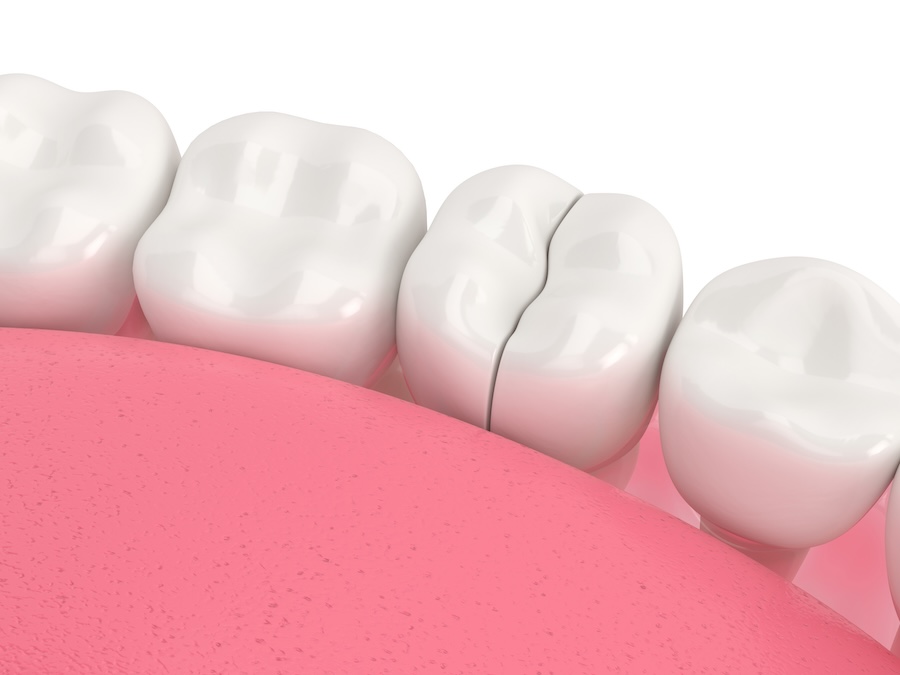
A cracked crown has a way of making one tooth suddenly feel very important. You might notice a rough edge while talking, feel something strange when you bite, or see a small line in the mirror that was definitely not part of the original design. It may not hurt right away, which can make the whole thing more confusing. Is it harmless? Is the crown failing? Is the tooth underneath in trouble too?
In many cases, a cracked dental crown can sometimes be repaired, but the answer depends on what kind of damage is present. For example, a small chip near the edge may only need smoothing or a minor repair. However, a deeper crack, loose crown, painful bite, or damage under the crown may mean the crown needs to be replaced. In some cases, the tooth underneath also needs treatment before a new crown can be made.
At Hooks Family Dentistry in College Station, TX, Dr. Ryan Hooks can examine the crown, check the tooth below it, and explain what makes the most sense. Instead of simply covering the crack for a little while, the plan should protect the tooth, restore comfortable chewing, and reduce the chance of the same problem coming back.
Why Dental Crowns Crack
A crown can crack for several reasons, and it is not always because someone did something wrong. For instance, a hard bite on ice, a popcorn kernel, a hard candy, or a tough piece of food can put enough force on the crown to chip or fracture it. Sometimes the damage happens in one unlucky bite. Other times, the crown has been weakening little by little before it finally shows a visible crack.
In addition, grinding and clenching can create trouble over time. Many people clench their teeth during sleep, while driving, while working, or while concentrating. As a result, that extra pressure can wear down porcelain, stress older dental work, and create small fractures that are easy to miss at first.
Age can play a role as well. A crown that has been in place for many years may have worn edges, older cement, or small changes around the margin where the crown meets the tooth. Meanwhile, the bite can shift, nearby teeth can move, and chewing pressure may no longer be spread out the way it once was.
Sometimes, the issue starts underneath the crown. Decay near the edge, a weakened tooth, or a loose crown can change how the restoration handles pressure. Because of that, Dr. Hooks needs to look at both the crown and the tooth before deciding whether a repair is enough.
Signs Your Crown May Be Cracked
A crown crack does not always announce itself with pain right away. In many cases, the first clues are small and easy to dismiss. You may feel a rough edge with your tongue, notice floss catching near the crown, or sense that your bite feels slightly different on that side.
Pain when chewing can also be a sign. For example, the tooth may feel fine until you bite in one certain spot, then suddenly it sends a quick jolt. That type of discomfort can happen when the crown, the tooth, or the surrounding ligament reacts to pressure.
Sensitivity may show up too. Hot, cold, or sweet foods can bother the tooth if the crack exposes tooth structure or if bacteria have gotten under the crown. Also, if the crown is loose or the seal around it has weakened, the tooth underneath may become more vulnerable.
Even if there is no pain, a visible crack, chip, sharp edge, or loose feeling should be checked. After all, crowns can sometimes keep functioning for a while after damage starts, but waiting gives the crack more time to spread.
When a Cracked Crown Can Be Repaired
A cracked crown may be repairable when the damage is small and the crown is still stable. For example, if a small piece chips near the edge, Dr. Hooks may be able to smooth the area so it no longer feels sharp. In some cases, tooth-colored bonding may be used to improve the shape or appearance of a minor chip.
Repair is more likely when the crown still fits well, the bite feels comfortable, and the tooth underneath looks healthy. If the crack is shallow and not spreading through the crown, a conservative repair may be enough to make the tooth feel normal again.
That said, repair is not the right answer for every cracked crown. Bonding material does not always attach to porcelain as strongly as it attaches to natural enamel. As a result, a repair on a crown may not last as long as a brand-new restoration, especially on a back tooth that handles heavy chewing.
Still, a small repair can be useful in the right situation. It may smooth a rough edge, protect your tongue, improve the look of a visible chip, or give you time to plan a full replacement if one will eventually be needed.
When the Crown Needs to Be Replaced
A crown usually needs to be replaced when the crack is deep, spreading, or affecting the way the crown fits. If the crown is split, loose, painful to bite on, or missing a large piece, a surface repair may not give the tooth enough protection.
Replacement is also more likely when decay has developed under the crown. A crown depends on a tight seal around the tooth. Once bacteria get underneath, the tooth structure can weaken. In that situation, the old crown often needs to come off so the decay can be removed and the remaining tooth can be evaluated.
The bite can also affect the decision. If the crown cracked because one area was taking too much pressure, patching the damaged spot may not solve the bigger problem. Therefore, a new crown may need a better shape, and a nightguard may be recommended if grinding or clenching is part of the picture.
Sometimes replacement is the more predictable choice, even when the crack does not look huge. A crown can have hidden damage that is not easy to see from the outside. After Dr. Hooks examines the crown and tooth, he can explain whether a repair is reasonable or whether replacement would be more dependable.
What If the Tooth Under the Crown Is Cracked Too?
A cracked crown does not automatically mean the tooth underneath is cracked. Still, the tooth needs to be checked because the crown only tells part of the story. The tooth may have old fillings, decay, wear, or a previous fracture that affects how much support is left.
If the tooth underneath is healthy, replacing the crown may be enough to restore comfort and strength. However, if there is decay or missing tooth structure, Dr. Hooks may recommend a buildup before placing a new crown. A buildup helps replace weakened structure so the new crown has a better foundation.
If the crack reaches deeper into the tooth, treatment may become more involved. For instance, some teeth need root canal therapy if the nerve has become irritated or infected. In more serious cases, if the crack extends down the root or the tooth cannot support a new restoration, extraction may be the safest option.
The sooner the crown is evaluated, the more options you may have. A small crown problem is usually easier to handle than a tooth that has been leaking, shifting, or taking too much pressure for months.
What to Do If You Think Your Crown Is Cracked
If you think your crown is cracked, try not to chew on that side until it can be examined. Even a small crack can worsen under pressure, especially if the crown already feels rough, loose, or tender. For now, softer foods are the better choice.
Also, avoid hard, crunchy, and sticky foods around that tooth. Ice, hard candy, popcorn kernels, nuts, chewy candy, and crusty bread can all make a damaged crown worse. In addition, do not test the crown repeatedly by biting on it to “see if it still hurts.” Teeth rarely appreciate experiments.
If there is a sharp edge, do not try to file it at home. Instead, dental wax may help cover the area temporarily if it is rubbing your tongue or cheek. Then, call Hooks Family Dentistry and let the team know what you are feeling.
If the crown comes off completely, place it in a small container and bring it with you. However, do not use superglue or household adhesive to put it back on. Those products can irritate tissue, damage the crown, and make treatment more complicated.
How Dr. Ryan Hooks Checks a Cracked Crown
At Hooks Family Dentistry, Dr. Ryan Hooks starts by looking closely at the crown and the surrounding tooth structure. He may check the crown margins, look for looseness, examine the gums, and test how the tooth responds to biting pressure.
Digital X-rays may also be recommended. While X-rays do not show every type of crack, they can help reveal decay, infection, bone changes, or problems around the root. Together, the exam and X-rays give a clearer picture of what is happening.
The bite check is an important part of the visit. If one part of the crown is hitting too hard, that extra force may have contributed to the crack. In that case, adjusting the bite, replacing the crown with a better shape, or using a nightguard may help reduce future stress on the tooth.
Dr. Hooks may also look for signs of grinding or clenching. Worn teeth, jaw soreness, chipped enamel, and repeated crown problems can point to extra bite force. If that is part of the issue, protecting the new or repaired crown becomes part of the plan.
Can You Wait If the Cracked Crown Does Not Hurt?
It can be tempting to wait when a cracked crown does not hurt. After all, if you can chew and the tooth is not throbbing, it may seem like something that can stay on the “later” list. Unfortunately, crowns do not always send loud warnings before the problem gets worse.
Over time, a crack can allow bacteria to collect near the tooth. A loose edge can weaken the seal. Also, a small chip can turn into a larger break during a normal meal. By the time pain shows up, the tooth underneath may need more treatment than it would have earlier.
That does not mean every crown chip is a same-day emergency. However, it should still be evaluated. If it only needs smoothing, the visit may be simple. If the crown needs replacement, finding out early gives you more control over timing and cost.
Waiting too long can turn a crown problem into a tooth problem. Once the tooth underneath is damaged, treatment may involve more than replacing the crown.
How to Help Prevent Crown Cracks
You cannot prevent every cracked crown, but a few habits can lower the risk. For example, avoid chewing ice, hard candy, pens, fingernails, and very hard foods with crowned teeth. Crowns are strong restorations, but they are not built for every kind of force.
If you grind or clench, ask about a custom nightguard. A nightguard can help reduce the pressure placed on crowns and natural teeth while you sleep. This can be especially helpful if you have already cracked a crown, chipped teeth, or noticed jaw soreness in the morning.
Regular dental visits help too. During routine exams, Dr. Hooks can check crown margins, bite changes, wear patterns, and early signs of damage. As a result, a small adjustment or early repair may help prevent a larger break.
Home care plays a role as well. Brushing, flossing, and cleaning along the gumline help protect the tooth around the crown. The crown itself cannot decay, but the tooth underneath still can.
Cracked Dental Crown Care in College Station, TX
A cracked dental crown may be repairable if the damage is small, the crown is stable, and the tooth underneath is healthy. However, deeper cracks, loose crowns, bite pain, decay, or damage beneath the crown often mean replacement is the better choice. An exam is the only way to know which path makes sense.
At Hooks Family Dentistry in College Station, TX, Dr. Ryan Hooks can check your cracked dental crown, explain what is happening, and recommend the option that best protects your tooth. Whether you need a simple smoothing, a crown replacement, or treatment for the tooth underneath, the visit can give you a clear next step.
If your crown feels sharp, cracked, loose, or painful when you bite, schedule a visit with Hooks Family Dentistry. Getting it checked now may help keep the problem smaller and easier to treat.
FAQs
Can a small crack in a dental crown be repaired?
A small chip or shallow crack may sometimes be smoothed or repaired, especially if the crown is still stable and the tooth underneath is healthy. However, larger cracks usually need crown replacement because a surface repair may not protect the tooth well enough.
Is a cracked dental crown an emergency?
A cracked crown is not always an emergency, but it should be checked soon. If you have pain, swelling, a loose crown, sharp edges, or trouble biting, call the dental office promptly so the tooth can be evaluated.
Can a cracked crown damage the tooth underneath?
Yes, it can. A crack may allow bacteria to get under the crown or may expose the tooth to extra pressure. As a result, if the tooth underneath becomes decayed, cracked, or infected, treatment may become more involved.
What should I avoid eating with a cracked crown?
Avoid chewing on the cracked crown until it is checked. Also, stay away from hard, crunchy, or sticky foods, including ice, hard candy, popcorn kernels, nuts, and chewy candy, because they can worsen the damage or pull on the crown.
Can a dentist glue a cracked crown back together?
A dentist may be able to repair a small chip in certain cases, but a cracked crown cannot always be glued back together in a reliable way. If the crown is split, loose, or badly damaged, replacement is usually recommended.
How long does it take to replace a cracked crown?
Crown replacement often takes more than one visit, depending on the tooth, the type of crown, and whether additional treatment is needed first. After an exam, Dr. Ryan Hooks can explain the timeline and the next steps.
Contact Us